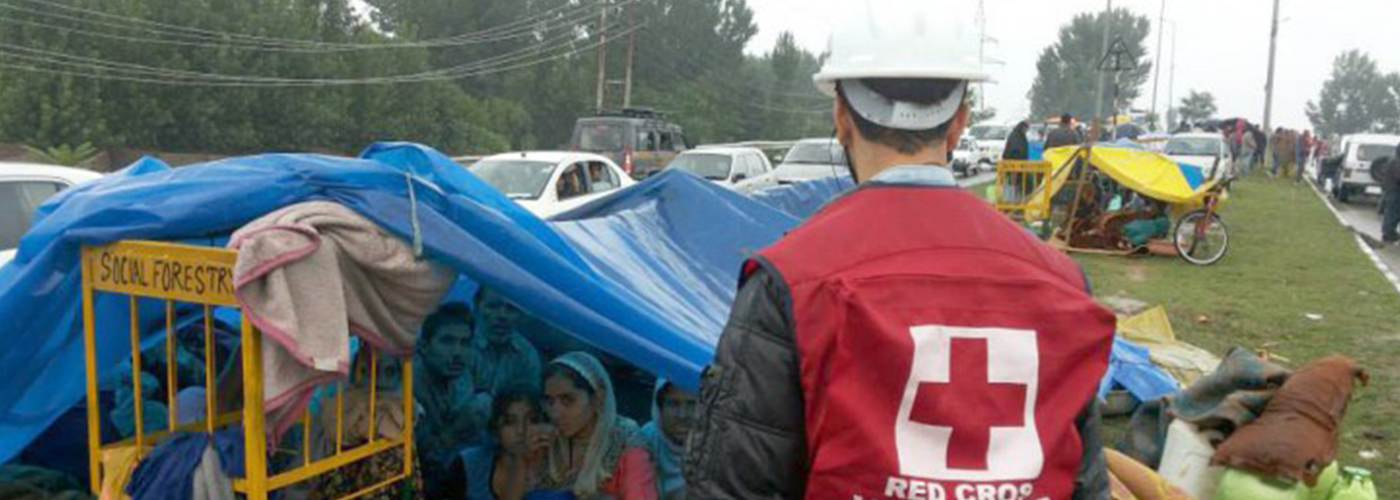
The region of Jammu and Kashmir has a long history of natural calamities, including severe earthquakes, devastating floods, avalanches, landslides, and windstorms. These events are largely influenced by the region’s unique topography, rugged landscapes, and extreme weather patterns. For example, on October 8, 2005, a catastrophic earthquake measuring 7.6 on the Richter scale struck the area, resulting in thousands of casualties and injuries. Similarly, in September 2014, the region was overwhelmed by massive floods that claimed nearly 300 lives, damaged over 250,000 homes across all districts, and displaced more than 550,000 people.
Alamdar Peace and Welfare Foundation (APWF) has undertaken extensive training programs in inclusive Disaster Risk Reduction (DRR) throughout Jammu & Kashmir. These efforts involve students, faculty from educational institutions, as well as government and non-government personnel. APWF has been meticulously training communities in various aspects of disaster management and mitigation, regularly conducting mock drills and awareness sessions in schools, colleges, and local communities to build grassroots disaster resilience.
Going beyond training, APWF has taken practical steps toward disaster preparedness, such as distributing “School Safety Kits” to multiple schools across the Union Territory—a process that is still ongoing. In parallel, APWF actively advocates with the government for the creation of disaster-resilient communities and schools, aiming for long-term, structural impact.
Importantly, APWF’s humanitarian response is not confined to specific disasters. The organization runs ongoing community relief programs throughout the year, such as:
“Food for All” – ensuring nutritional support to the underprivileged
“Winterization Relief” – distributing warm clothing and essentials during the harsh winter months
By addressing both immediate post-disaster needs and long-term structural vulnerabilities, Alamdar Peace and Welfare Foundation ensures a comprehensive humanitarian outreach, serving communities across the entire Union Territory.